
Kenyan Culture and Traditions: A Beautiful, Essential Guide
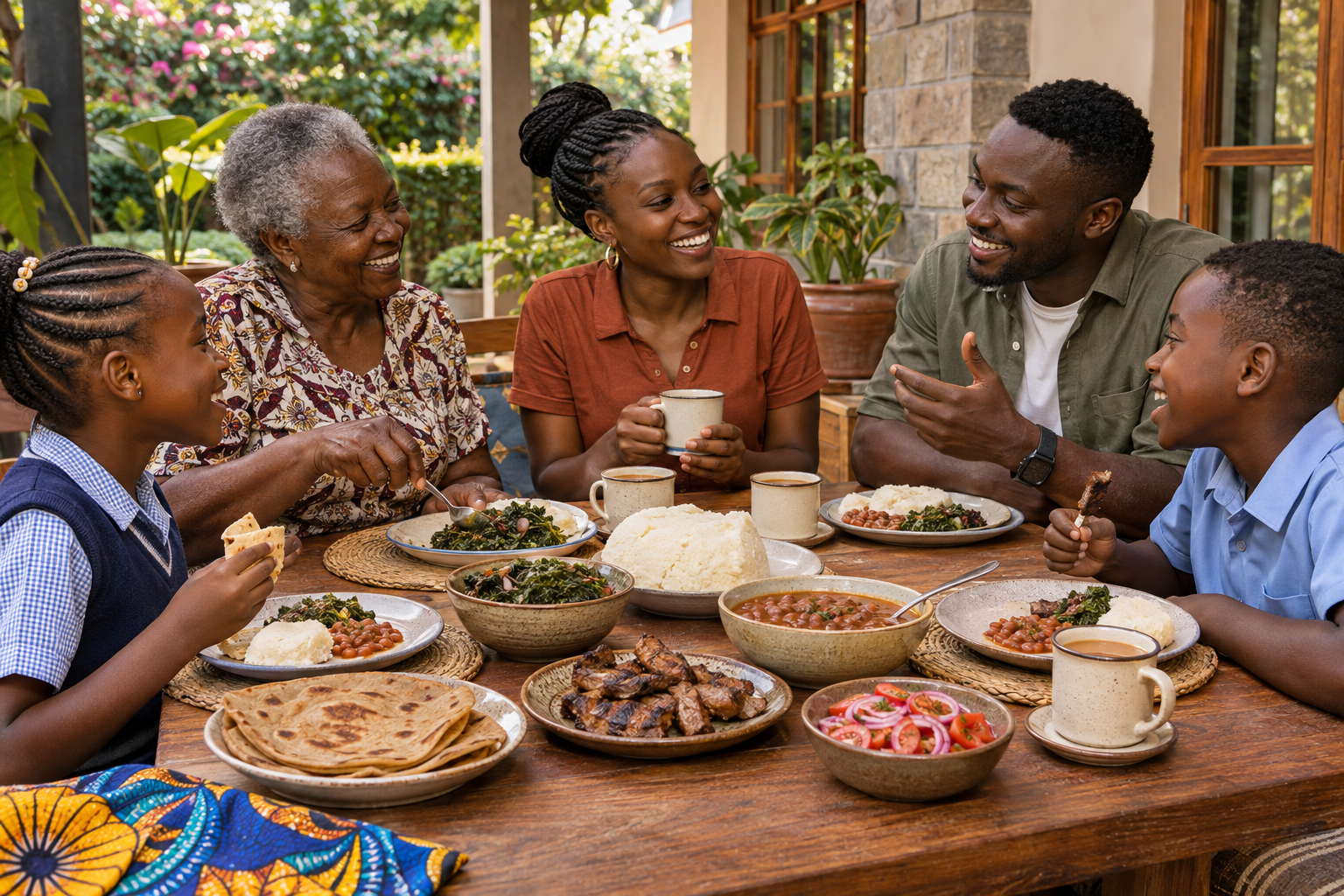
Kenyan culture and traditions shape the food people share, the languages they speak and the ways families support one another. You can hear them in a familiar song, see them in a wedding celebration and find them in the everyday habit of welcoming someone with tea.
Today, these traditions exist alongside changing family roles, digital life and public debate. Rising living costs and demands for better opportunities also influence how people work, celebrate and care for each other.
Understanding Kenya means making room for all these experiences. Customs vary across communities, regions and households. Even members of the same family may approach a tradition differently.
Kenyan Culture and Traditions at a Glance
| Part of daily life | Examples |
|---|---|
| Languages | Kiswahili, English, indigenous languages and Sheng |
| Food | Ugali, githeri, mukimo, chapati, fish, pilau and nyama choma |
| Music | Traditional instruments, benga, gospel, Genge, Gengetone and Arbantone |
| Clothing | Everyday fashion, mitumba, locally tailored outfits, kitenge and leso |
| Family life | Shared childcare, visits, weddings and support during difficult times |
| Community | Chamas, welfare groups, fundraising and neighbourhood networks |
| Modern expression | Comedy, podcasts, digital art, online debate and youth activism |
These examples offer a starting point. However, no single meal, outfit or ceremony represents every Kenyan.
Kenyan Culture and Traditions Across Communities
Kenya is home to many communities with distinct histories, languages and customs. Broad language groups include Bantu, Nilotic and Cushitic languages.
For example, Kikuyu, Kamba, Meru and Kisii belong to the Bantu group, alongside the languages spoken by Luhya communities. Dholuo, Maa and languages spoken by Kalenjin communities belong to the Nilotic group. Meanwhile, Somali, Borana Oromo and Rendille belong to the Cushitic group.
These groupings help explain language history. A person’s background, however, does not determine their job, beliefs or daily routine.
Kenyan identity also includes communities with Asian, Arab, European and other roots. In addition, movement between regions and marriages across communities bring different customs into the same household.
Kenyan Culture and Traditions in Everyday Language
Kiswahili is Kenya’s national language. Both Kiswahili and English are official languages. The Constitution also recognises the importance of indigenous languages, Kenyan Sign Language and accessible communication. Read Article 7 of the Constitution of Kenya.
In daily life, people may switch languages several times during one conversation. The choice often depends on who is present and what they are discussing.
For instance, someone might use English at work, Kiswahili with friends and a mother tongue during a call with relatives. These changes can express closeness, humour or shared understanding.
Sheng and changing expressions
Sheng draws on Kiswahili, English and other languages. Its words and meanings change between places and generations.
Music, comedy and social media help new expressions spread. As a result, a phrase familiar to young people may need an explanation at a family gathering.
If you are learning Kiswahili, start with useful everyday words. Asante means thank you, while habari? asks how things are. Then listen to the greetings people use around you.
Kenyan Culture and Traditions Around Food
Food brings people together, but it also reflects daily choices. Heritage, time, household budgets and available ingredients all influence what reaches the table.
Ugali, vegetables and everyday meals
Ugali is a familiar staple in many homes. People often serve it with vegetables, beans, fish or meat.
Sukuma wiki is a common accompaniment, although preparation varies. Some cooks use onions and tomatoes, while others keep it simple.
Meanwhile, githeri combines maize and beans. Families may add potatoes, vegetables or spices according to taste and budget.
Mukimo and chapati
Mukimo has strong links to central Kenya. It often combines mashed potatoes, maize, peas and greens, with variations between households.
Chapati also appears at everyday meals and celebrations. It pairs with beans, lentils, vegetables and stews. For many families, making it together is part of the occasion.
Coastal cooking
Along the coast, meals reflect a long history of trade and cultural exchange. Pilau, biryani, coconut dishes and mahamri offer different ways to explore that heritage.
However, coastal cooking varies too. A recipe passed down in Lamu may differ from one prepared in Mombasa or another household inland.
Nyama choma and street food
Nyama choma often brings friends and relatives together over roasted meat and conversation. Common sides include ugali and kachumbari, a fresh tomato-and-onion salad.
Street food adds more choice. Depending on the area, you may find roasted maize, samosas, bhajia, viazi karai or mutura. Ask how a dish is prepared if you are unfamiliar with its ingredients.
Food and the cost of living
A current account of Kenyan culture and traditions must also recognise household pressure. Food and transport costs affect what families can afford and how they plan gatherings.
Amnesty International’s October 2026 reporting links economic hardship and public frustration to living costs, taxes, inequality and access to services. These pressures form part of the setting in which daily life continues. Read Amnesty International’s report summary on Kenya.
Hospitality can take many forms. Appreciate what a host offers, whether it is a meal, tea or time to sit and talk.
Kenyan Culture and Traditions in Music and Dance
Music accompanies weddings, worship, family gatherings and public events. A playlist may move from older favourites to gospel, local pop and dance tracks within minutes.
Traditional instruments remain important too. For example, the nyatiti is an eight-stringed lyre associated with Luo musical traditions.
Meanwhile, Isukuti is a celebratory performance of the Isukha and Idakho communities in western Kenya. UNESCO recognises it as cultural heritage in need of safeguarding. Learn about Isukuti through UNESCO.
Modern Kenyan sounds
Benga, Genge, Gengetone, gospel, hip-hop and Afro-fusion all contribute to Kenya’s music.
More recently, Arbantone has become part of the discussion around youth culture. Sampling, Sheng and dance videos help artists connect older sounds with new audiences. Read a guide to Arbantone.
To explore Kenyan music, ask someone for a song they grew up with. Then ask what they listen to now. The answers may take you through several generations.
Kenyan Fashion and Personal Style
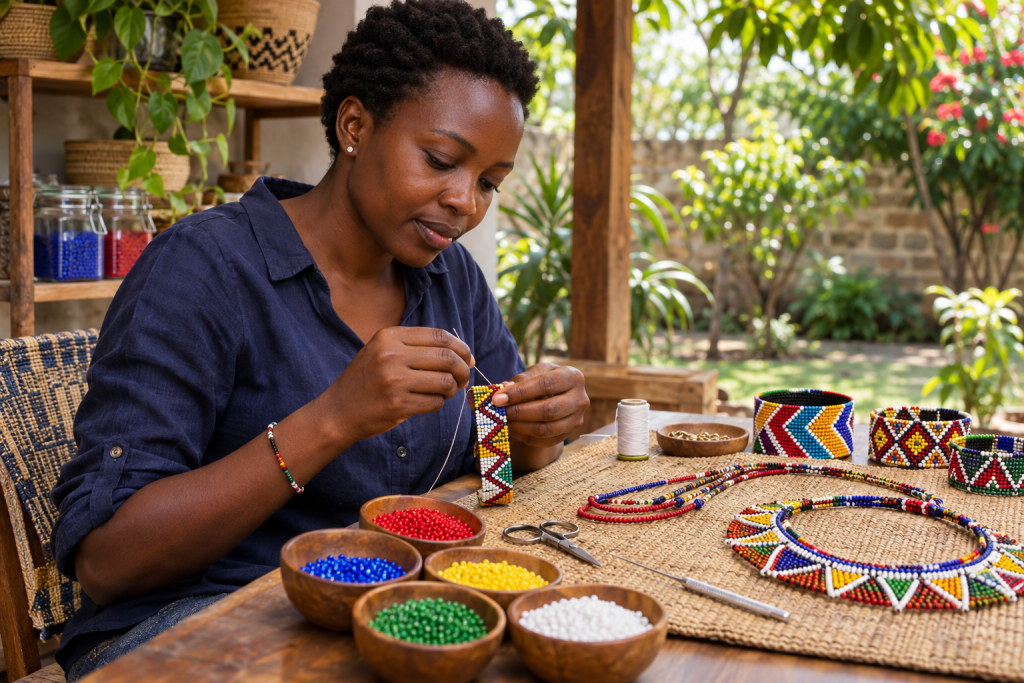
Skill and creativity come together in beadwork.
Waihuini.com.
Kenyan culture and traditions also influence clothing, from locally tailored outfits to beadwork worn for special occasions.
Everyday fashion includes office wear, sportswear, religious dress and streetwear. Mitumba, or second-hand clothing, also forms part of many wardrobes.
Kitenge can become a dress, shirt, jacket or bag. Leso, also called kanga in many contexts, has uses that extend beyond clothing.
Similarly, Maasai shukas and beadwork carry meaning within their communities. Ask the maker about a design instead of assuming that each colour has one fixed meaning.
For ideas on combining familiar clothes with personal style, explore my wardrobe essentials articles.
Kenyan Culture and Traditions in Family Life
Family ties often extend beyond one home. Grandparents, aunts, uncles and cousins may help with childcare, practical tasks or important decisions.
Support can also come through friends, faith communities and welfare groups. Meanwhile, chamas may help members save, invest or meet shared goals.
Contributions often support school costs, medical bills, weddings and funerals. However, households have different limits. Caring for relatives and setting a realistic budget can both be part of family life.
Respect across generations
Many families place importance on greeting older people politely, listening and helping when needed.
At the same time, respect can include honest discussion. Younger and older relatives may disagree about work, relationships, parenting or money while still caring deeply about one another.
Weddings and personal choice
Some couples arrange family introductions and customary ceremonies before a religious or civil wedding. For example, some Kikuyu families hold ruracio, although the arrangements differ between families.
Couples from different communities may combine customs or choose a smaller celebration. The couple’s wishes and consent remain central.
The Constitution protects cultural participation and states that no person may force another to undergo a cultural practice or rite. Read Article 44 on language and culture.
How Kenyan Culture and Traditions Are Changing
Young Kenyans influence music, fashion, business and public debate. Their experiences deserve space alongside accounts of older customs.
The youth-led protests that gained international attention in 2024 continue to shape discussion. Reporting in 2026 describes unresolved concerns about jobs, living costs, governance and police conduct. Read DW’s reporting on the continuing impact of Kenya’s youth protests.
These debates also raise questions about identity and belonging. People can value their heritage while challenging leaders or questioning expectations within their communities.
Meanwhile, comedy, music and online commentary offer ways to share frustration, grief and solidarity. Listening to those voices gives a fuller picture of Kenya today.
Digital Life and Families Across Borders
Phones help people manage work, payments, family visits and community support. Mobile money plays a major role, and the Central Bank of Kenya publishes regular data on its use. Explore Kenya’s mobile-payments data.
Family connections also stretch across borders. Kenyans abroad stay involved through calls, visits and financial support. The Central Bank’s remittance research examines these links and their role in households. Read the remittances household survey.
Digital tools also help families share Kenyan culture and traditions across borders through recipes, music, language and stories.
However, access differs. Data costs, network coverage and digital skills affect how easily people can take part.
Religion and Places of Cultural Meaning
Christianity, Islam, Hinduism, Sikhism, indigenous beliefs and other worldviews form part of Kenyan life. Some households share one faith, while others bring together different beliefs.
Sacred places deserve care. The Mijikenda Kaya forests, for example, hold cultural and spiritual meaning for Mijikenda communities.
Gedi offers another way to explore Kenya’s history. Added to the UNESCO World Heritage List in 2024, its remains help explain Swahili settlement and trade across the Indian Ocean. Explore Kenya’s UNESCO World Heritage sites.
Before visiting, check local guidance. Some places welcome visitors while keeping particular areas or ceremonies private.
Experiencing Kenyan Culture and Traditions Respectfully
Start with everyday exchanges. Share a meal, listen to music or ask about a word you have heard.
Then make room for different answers. One family’s tradition may be unfamiliar to another family from the same region.
When visiting markets or workshops, ask artisans about their work. Agree on prices clearly and request permission before photographing people, especially children.
Also check festival dates and arrangements before travelling. Activities, access and schedules can change.
For more personal stories and everyday ideas, visit the Waihuini lifestyle section.
Kenya is a place where people live, work, celebrate, disagree and create. Food, family and heritage matter, alongside school fees, opportunity and the freedom to speak. Kenyan culture and traditions continue to evolve through all these experiences.