
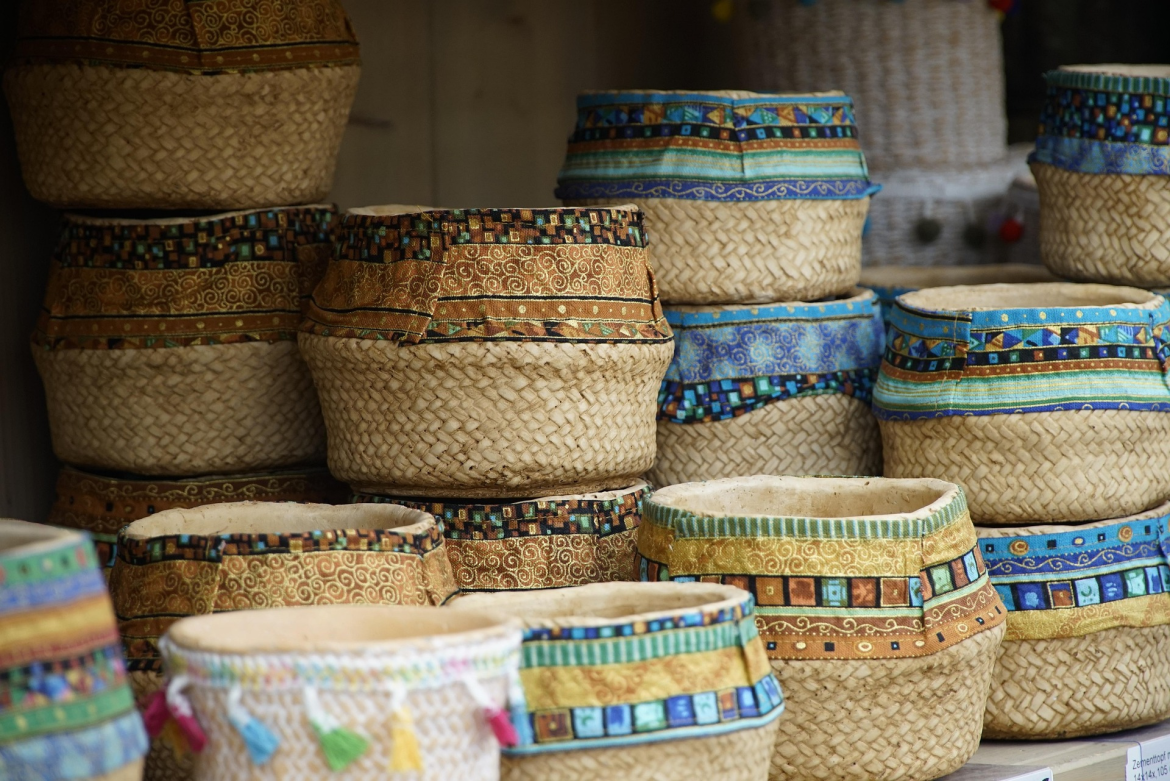
Kenyan culture and traditions shape daily life across Kenya. From food and music to family values and celebrations, these customs tell the story of a country rich in history and diversity. Today, people continue to honor their heritage while embracing modern life.
Kenyan Culture and Traditions: Food, Music & Family
By Ruth Nyambura
Kenya is more than its famous wildlife and beautiful landscapes. It is home to over 40 ethnic communities, each with its own stories, languages and customs.
From the streets of Nairobi to the villages of central Kenya and the coastal towns of Mombasa and Lamu, culture takes many forms. Some traditions have lasted for generations. Others have changed as people move, travel and share new ideas.
This guide explores the people, food, music, fashion and values that make Kenyan life so special.
Kenyan Culture and Traditions at a Glance
Kenyan culture and traditions reflect the country’s many communities and their shared history.
| Cultural feature | Examples |
|---|---|
| Languages | Kiswahili, English, Kikuyu, Dholuo, Kamba and Somali |
| Traditional foods | Ugali, nyama choma, githeri, mukimo and chapati |
| Music | Nyatiti, isukuti, Genge, Afro-pop and hip-hop |
| Fashion | Maasai shukas, beadwork, kitenge and leso |
| Celebrations | Weddings, national holidays and cultural festivals |
| Family values | Respect, hospitality and community support |
| Arts and crafts | Soapstone carvings, woodwork and handmade jewelry |
However, traditions vary from one community to another. No single custom represents every Kenyan family.
Kenyan Culture and Traditions: Ethnic Diversity
Kenya has many ethnic communities. Each community contributes to the country’s languages, foods, music and customs.
Most indigenous Kenyan languages belong to three broad language families: Bantu, Nilotic and Cushitic.
Bantu Communities in Kenya
Bantu-speaking communities include the Kikuyu, Kamba, Meru, Luhya and Kisii.
Many have strong farming traditions. In addition, each community has its own songs, family customs and traditional dishes.
For example, the Kikuyu have deep roots in central Kenya. Meanwhile, many Luhya communities live in western Kenya.
Nilotic Communities in Kenya
Nilotic-speaking communities include the Luo, Maasai, Kalenjin, Turkana and Samburu.
Some communities have long histories of cattle keeping. Others have strong fishing or farming traditions.
The Maasai and Samburu are well known for their pastoral heritage. The Luo have rich fishing, music and storytelling traditions.
Cushitic Communities in Kenya
Cushitic-speaking communities include Somali, Borana and Rendille groups.
Many live in northern and northeastern Kenya. Their ways of life reflect the region’s climate, history and trade routes.
For generations, livestock, trade and family networks have played important roles in many of these communities.
Kenyan Culture and Traditions: Languages
Language is an important part of Kenyan identity.
Kiswahili is the national language. Both Kiswahili and English are official languages.
However, many Kenyans also speak an indigenous language at home.
These include Kikuyu, Dholuo, Kamba, Somali, Meru and many others.
Why Indigenous Languages Matter
Local languages help families pass stories and lessons to younger generations.
They also carry traditional songs, sayings and humor.
For example, grandparents may use their mother tongue to tell children stories about family history.
As a result, language helps keep cultural knowledge alive.
You can read more about Kenya’s official languages in the Constitution of Kenya.
Kenyan Culture and Traditions: Traditional Food
Food brings people together across Kenya.
Families prepare traditional meals for everyday life, weddings and celebrations. Although recipes vary by region, several dishes are popular throughout the country.
Ugali and Sukuma Wiki
Ugali is one of Kenya’s most common foods.
People prepare it by cooking maize flour in boiling water until it becomes firm.
They often serve it with sukuma wiki, fish, beef stew or chicken.
Sukuma wiki is a leafy green vegetable dish. Together, these foods make a simple and filling meal.
Nyama Choma
Nyama choma means roasted meat.
People often enjoy it during weekends, family gatherings and celebrations.
Goat and beef are common choices. The meat may come with ugali, vegetables or kachumbari.
Kachumbari is a fresh salad made with tomatoes, onions and other ingredients.
For many Kenyans, nyama choma is also about spending time with friends and family.
Githeri and Mukimo
Githeri is a traditional dish made with maize and beans.
Some people add potatoes, onions, tomatoes or spices.
Mukimo is another popular dish, especially in central Kenya.
It often combines mashed potatoes, maize, peas and leafy greens.
Both dishes show how local ingredients can create satisfying meals.
Chapati and Coastal Cuisine
Chapati is a soft flatbread enjoyed across Kenya.
Families often serve it with beans, stew or tea.
Along the coast, food reflects centuries of trade and cultural exchange.
For example, pilau and biryani use rice and spices such as cloves, cinnamon and cardamom.
Coconut milk also appears in many coastal dishes.
Kenyan Street Food
Kenya has a lively street food scene.
Popular choices include samosas, roasted maize, bhajia and viazi karai.
Mutura is another familiar street food. It is a traditional sausage that often contains meat, blood and spices.
Street food offers a simple way to explore local flavors.
Kenyan Culture and Traditions: Music and Dance
Music plays an important role in Kenyan life.
People sing and dance during weddings, celebrations and community events.
Traditional music also helps people share stories and remember their history.
Traditional Kenyan Instruments
Different communities use different instruments.
The Luo community has the nyatiti, an eight-stringed lyre.
The orutu is another traditional string instrument.
Meanwhile, the Luhya community is known for isukuti drumming and dancing.
These sounds remain part of cultural performances today.
Modern Kenyan Music
Modern Kenyan music combines local rhythms with hip-hop, pop, R&B and other styles.
Genge, Kapuka and Kenyan Afro-pop have become popular genres.
Artists such as Sauti Sol, Nyashinski, Khaligraph Jones and Nadia Mukami have helped introduce Kenyan sounds to wider audiences.
Today, music connects generations while giving young artists room to express themselves.
Kenyan Culture and Traditions: Clothing and Fashion
Traditional clothing is another important part of Kenyan culture and traditions.
Many people wear modern clothing every day. However, traditional fabrics and accessories remain popular during weddings, festivals and special occasions.
Maasai Shukas and Beadwork
The Maasai are known for their colorful shukas and detailed beadwork.
A shuka is a cloth worn around the body.
Beaded jewelry may reflect local customs, identity or special events.
These designs are also popular among visitors and fashion lovers.
Kitenge and Leso Fabrics
Kitenge and leso are common fabrics in Kenya.
People use them to make dresses, skirts, head wraps and other clothing.
Today, designers combine traditional prints with modern styles.
As a result, Kenyan fashion continues to grow while keeping cultural influences alive.
Kenyan Culture and Traditions: Festivals and Holidays
Festivals and holidays bring families and communities together.
Some celebrations honor Kenya’s history. Others focus on local customs and important family events.
National Holidays
Kenya celebrates several important national days.
Madaraka Day, June 1, marks the achievement of internal self-government in 1963.
Mashujaa Day, October 20, honors national heroes and people who have contributed to the country.
Jamhuri Day, December 12, celebrates Kenya’s independence and republic history.
During these holidays, people may attend public events or spend time with loved ones.
Cultural Festivals
The Lamu Cultural Festival celebrates Swahili heritage through music, crafts and traditional activities.
The Maralal Camel Derby highlights the camel-keeping traditions of northern Kenya.
In addition, many communities organize local cultural events.
These celebrations help preserve history while bringing people together.
Traditional Weddings
Weddings are important family occasions in many Kenyan communities.
Families may organize introductions, blessings and traditional ceremonies.
However, customs differ between communities.
Some couples also combine traditional celebrations with church, mosque or civil weddings.
Kenyan Culture and Traditions: Family Values
Family is an important part of Kenyan culture and traditions.
In many homes, relatives stay closely involved in each other’s lives.
Grandparents, aunts, uncles and cousins may help raise children.
Family members also support one another during weddings, births and funerals.
Respect for Elders
Many Kenyan families teach children to respect older people.
This may include polite greetings, listening carefully and helping when needed.
However, customs vary across households and communities.
Hospitality and Community
Hospitality is another familiar value in Kenyan society.
Visitors may receive tea, food or a warm welcome.
During major events, relatives and neighbors often help with cooking, planning and other tasks.
The saying “mtoto wa mwenzio ni wako” reflects the idea of shared care for children.
This sense of community remains important to many families.
Kenyan Culture and Traditions: Art and Crafts
Kenyan artists use different materials to create beautiful and meaningful work.
Traditional crafts also help communities preserve skills and earn an income.
Kisii Soapstone Carvings
Kisii soapstone carvings are known for their smooth finish and detailed shapes.
Artists create animals, bowls, figures and home decorations.
These pieces often appear in markets and craft shops.
Akamba Woodcarvings
Akamba artisans have a long history of woodcarving.
Their work includes animal figures, household objects and decorative pieces.
Woodcarving takes patience and skill. It also helps preserve knowledge passed down through generations.
Beadwork and Modern Art
Beadwork is important in several Kenyan communities.
Artists make necklaces, bracelets, belts and other accessories.
Meanwhile, modern artists use painting, photography and digital art to explore Kenyan life.
For example, Michael Soi creates work that comments on society and city life.
You can explore more of Kenya’s cultural heritage through the National Museums of Kenya.
Kenyan Culture and Traditions: Religion and Beliefs
Religion plays an important role in many Kenyan communities.
Christianity has the largest following. Islam also has deep roots, especially along the coast and in parts of northern Kenya.
Kenya is home to Hindu, Sikh and other religious communities as well.
Traditional Spiritual Beliefs
Some communities maintain spiritual practices linked to nature, ancestors and sacred places.
For example, the Kaya forests along the coast hold cultural meaning for Mijikenda communities.
Traditional beliefs may exist alongside modern religious practices.
Together, these traditions reflect Kenya’s diverse spiritual history.
Kenyan Culture and Traditions: Sports
Kenya is famous for its long-distance runners.
Athletes such as Eliud Kipchoge have inspired people around the world.
Football also has many fans. Gor Mahia and AFC Leopards are among Kenya’s best-known clubs.
Rugby is popular too, especially the national sevens team.
In addition, traditional games such as ajua remain part of the country’s cultural history.
Sports help build friendships, community pride and national identity.
Kenyan Culture and Traditions in Modern Life
Kenyan culture continues to change.
Young people bring new ideas into music, fashion, technology and business.
Nairobi has an active creative and technology scene. Meanwhile, social media allows artists and entrepreneurs to reach people around the world.
Young designers use traditional fabrics in modern clothing.
Musicians share new sounds online. Artists also use digital tools to tell Kenyan stories.
In this way, modern life creates new opportunities to celebrate cultural heritage.
How to Experience Kenyan Culture and Traditions
You do not need to attend a major festival to learn about Kenya’s culture.
There are many simple ways to explore it.
Try Traditional Kenyan Food
Start with dishes such as ugali, githeri, nyama choma or chapati.
Food can teach you about local ingredients and family traditions.
Explore Kenyan Music and Art
Listen to traditional instruments and modern Kenyan artists.
You can also visit local markets, museums and art galleries.
Visit Cultural Events
Cultural festivals offer opportunities to learn about local customs.
However, always respect community rules and ask before taking photographs of people or private ceremonies.
Learn Basic Kiswahili
Learning a few Kiswahili words can make everyday interactions easier.
For example, jambo is a familiar greeting, while asante means thank you.
You can also explore more stories about everyday life and travel in the Waihuini lifestyle section.
Frequently Asked Questions About Kenyan Culture and Traditions
What Is Kenyan Culture Known For?
Kenyan culture is known for its ethnic diversity, traditional food, music, languages, art and strong family relationships.
What Are the Most Important Traditions in Kenya?
Important traditions include weddings, family gatherings, community celebrations, storytelling and respect for elders.
However, customs differ across communities.
What Is Kenya’s Most Popular Traditional Food?
Ugali is one of the most widely eaten foods in Kenya.
Other popular dishes include nyama choma, githeri, chapati and mukimo.
What Languages Do Kenyans Speak?
Kiswahili and English are official languages.
Many Kenyans also speak indigenous languages such as Kikuyu, Dholuo, Kamba and Somali.
Is Kenyan Culture Changing?
Yes. Modern music, technology, fashion and urban life continue to influence Kenyan culture.
However, many families still value traditional customs and community relationships.
Conclusion: Celebrating Kenyan Culture and Traditions
Kenyan culture and traditions reflect a country with a rich past and a lively present.
From traditional meals and family gatherings to music, fashion and art, every community adds something valuable to Kenya’s identity.
Although modern life continues to bring change, many customs remain important.
Most importantly, Kenya’s cultural diversity is one of its greatest strengths. It connects people to their history while leaving room for new ideas and experiences.